Can we genuinely listen to children’s questions? And above all, do we know how to approach their thoughts with respect and their words with gentleness? How can we foster meaningful educational dialogue with the youngest among us?
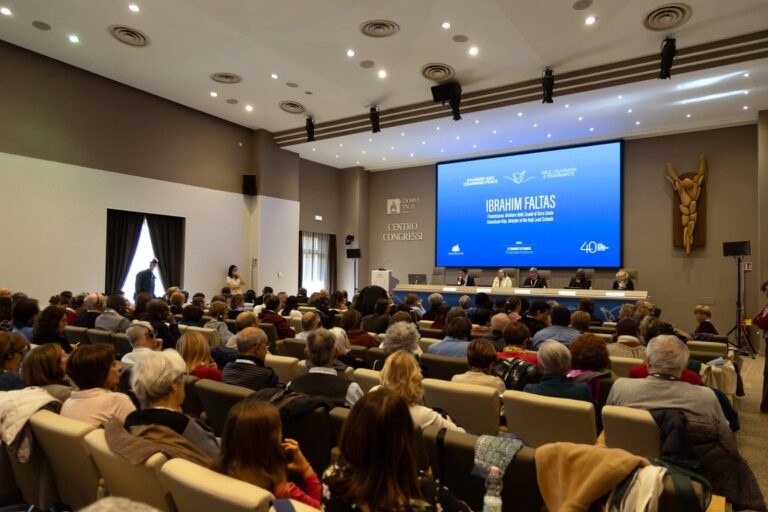
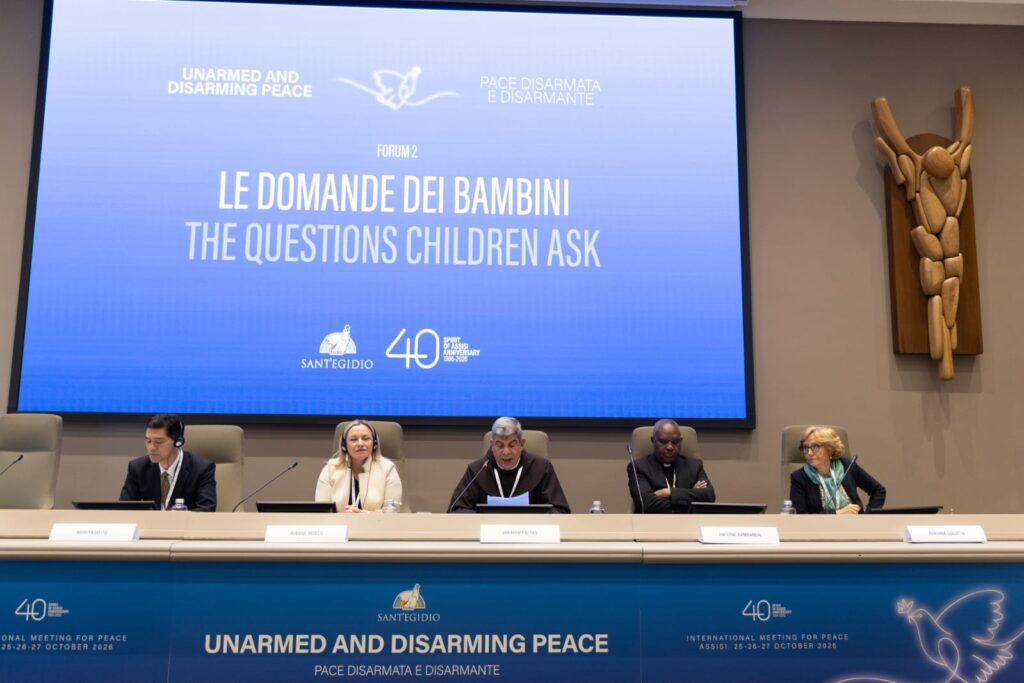
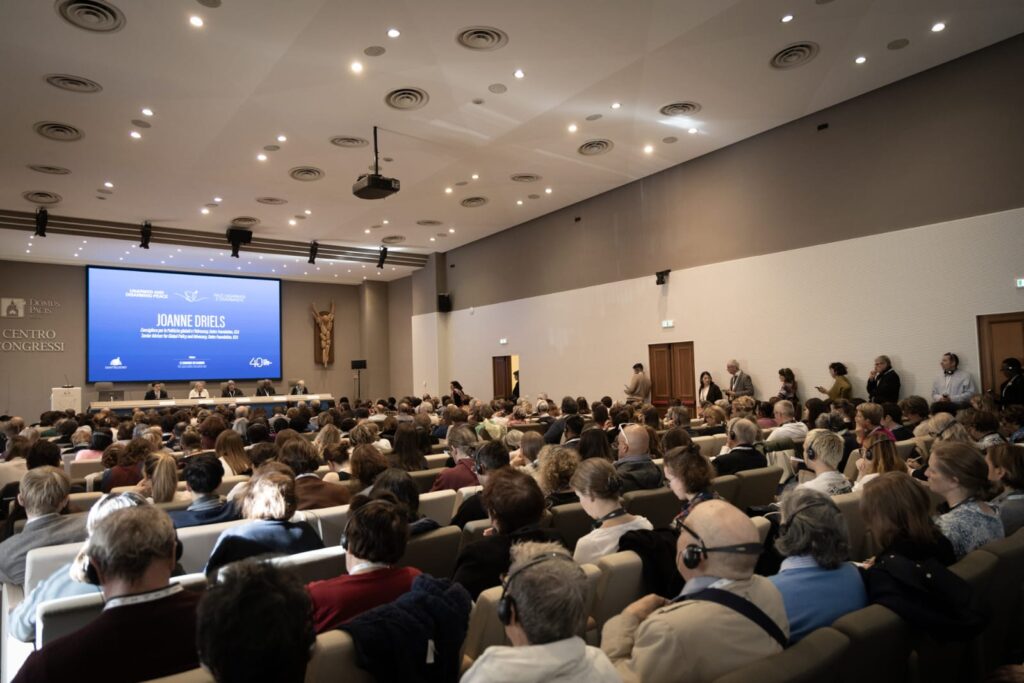
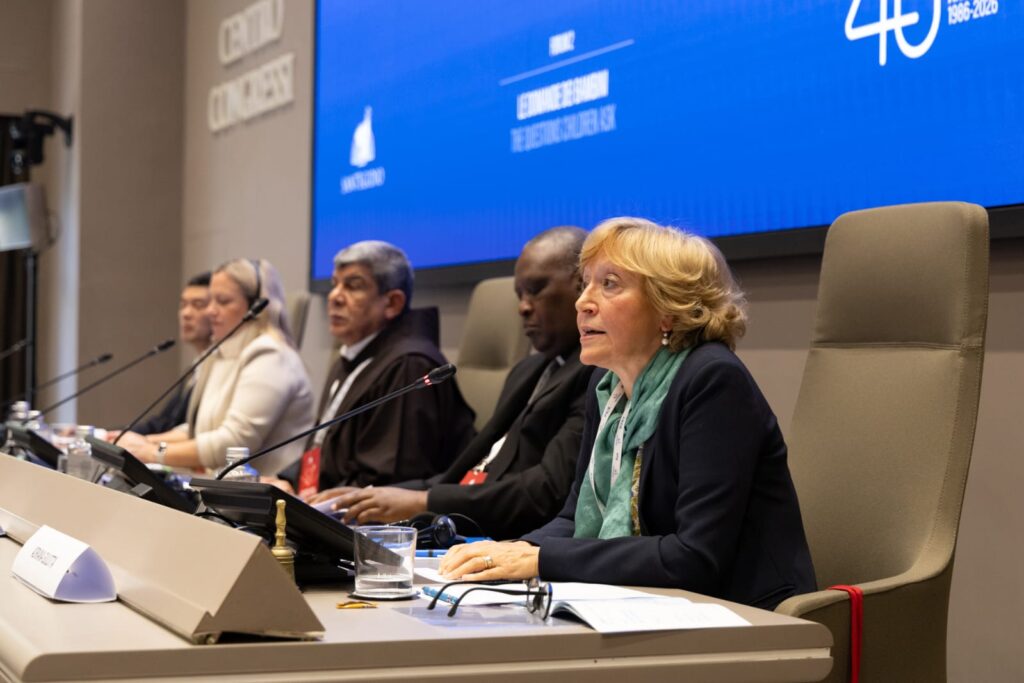
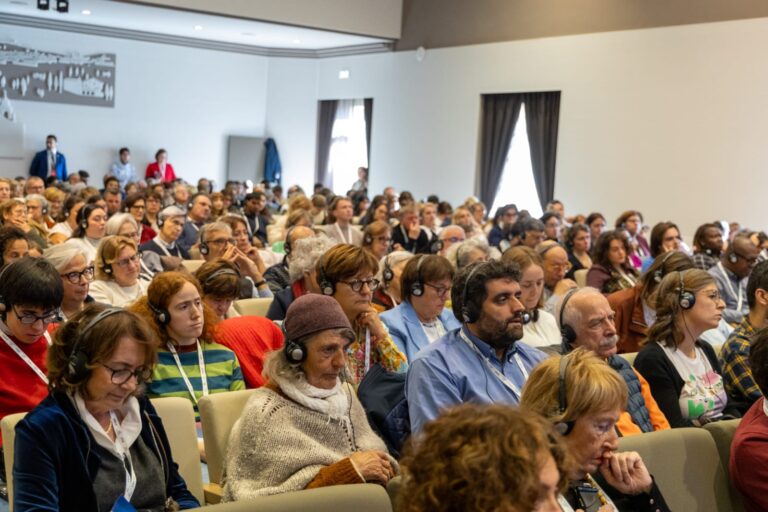
During the second day of the “Disarmed and Disarming Peace” gathering in Assisi, Panel 2, titled “The Questions of Children“, opened a vibrant space for exchange among specialists and leading figures in the field of education.
“Let us search for another Francis!” With these words, Father Ibrahim Faltas, director of the Terra Sancta Schools, inaugurated the session, urging attendees to “look within ourselves and ask: can we be another Francis?” He emphasised that “children’s questions do not seek answers made of words; they ask us to become the answer ourselves. An answer built on presence, justice, and tenderness.”
Adriana Gulotta, international coordinator of Sant’Egidio’s Schools of Peace, addressed the contemporary shift driven by the digital environment and its impact on child development. “The screen replaces the real world,” she stated, “and the real loss goes far beyond boredom or a decline in vocabulary, physical movement, play, reading, or even sleep. It lies in the involuntary, total surrender of encountering the other.” This connection is essential at every stage of life, but especially during childhood, when “human intelligence is forged in the encounter with others.” Through the Schools of Peace, the youth of Sant’Egidio respond directly to the need to “provide children, and themselves, with spaces of encounter: for one another, and with one another,” concluded Gulotta.
The lack of spaces for dialogue, and above all for listening to children and young people, reveals a harsh reality: younger generations have “become a marginal demographic,” warned Professor Elena Malaguti of the University of Bologna. In light of this, she stressed the urgency of creating spaces within public institutions, such as schools and universities, that can foster renewed dialogue with young people. Children’s questions directly challenge adults to ensure that no child is deprived of the right to play, education and health. These questions often go unanswered because of “the adult’s fear of responding, not from a lack of answers, but from not knowing how to deliver them.”
“Adults do not talk to children about death, disability, or vulnerability,” Malaguti observed. “Only by rebuilding a spirit of peace and harmony, and by experiencing friendship and generous listening,” she concluded, “can the educational process build a safe environment where it is possible to ask questions, but also to reflect on and listen to the answers together… because educating is not merely about imposing restrictions and punishments, but about creating spaces for mediation and dialogue.”